
Fitting In

C.W. Stratton

In a world that often rewards conformity, the concept of being “original” can feel both empowering and unsettling. To be original is not merely to be first—it is to be independent in thought and action. It is the willingness to think for oneself, to move with intention, and to define one’s own path rather than inherit one from others.

For many individuals, this level of independence can be intimidating. The fear of judgment—of what others may say, think, or assume—can quietly shape decisions and behaviors. Over time, this fear encourages reliance on the ideas, accomplishments, and direction of others. While learning from parents, teachers, peers, and colleagues is both natural and necessary, prolonged dependence can limit personal growth. When external guidance becomes a substitute for internal clarity, decision-making weakens, and problem-solving becomes passive rather than purposeful.

Standing alone—especially when it means standing for something deeply personal—can evoke discomfort. It requires confronting uncertainty, embracing vulnerability, and tolerating the possibility of disapproval. To avoid these emotional risks, many individuals adopt the status quo, even when it conflicts with their internal values. In doing so, they compromise their inner strength, diminish their voice, and gradually lose connection with their authentic identity.

Over time, this pattern can lead to a life shaped more by external expectations than internal conviction. The result is often dissatisfaction, a lack of fulfillment, and a persistent sense of misalignment. Many carry forward insecurities and self-doubt developed earlier in life, allowing these experiences to influence present choices. The desire to conceal these vulnerabilities further reinforces the need to “fit in,” even in spaces where true belonging may never exist.

However, there is a different path—one that requires intentional self-reflection and courage. It begins with reconnecting to one’s innate abilities and identifying genuine passions. When individuals align with what is meaningful to them, direction becomes clearer, and motivation becomes intrinsic rather than externally driven.

Fear will always be present. Yet, while fear can serve as a signal, it should not become a barrier. Courage is not the absence of fear—it is the decision to move forward despite it. Choosing authenticity requires strength, but it also cultivates resilience, clarity, and purpose.

There will inevitably be individuals who question or disagree with the direction one chooses. That is an unavoidable aspect of living authentically. What matters most is that the chosen path is constructive, fulfilling, and grounded in values that uplift both the individual and those around them. In doing so, one not only lives with intention but also becomes a source of inspiration for others navigating their own uncertainty.

Ultimately, life offers a single opportunity to define who we are and how we choose to live. It is not meant to be lived in quiet conformity or shaped solely by external influence. It is meant to be explored with purpose, expressed with authenticity, and lived with conviction.

Make that life count.
Trauma and Meditation

C.W. Stratton

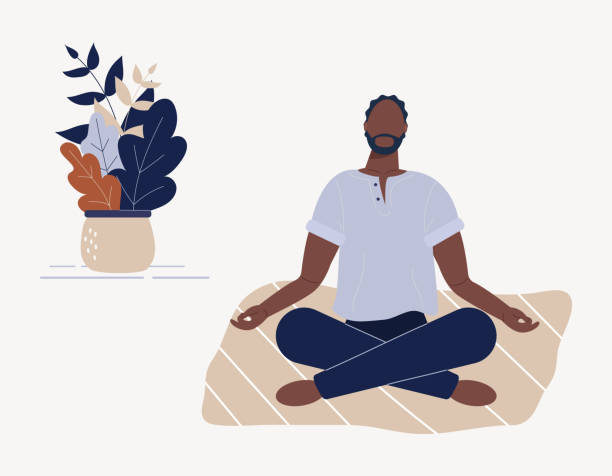
Trauma can leave a deep imprint on an individual’s emotional and physical well-being. For many, the effects of trauma manifest as anxiety, depression, difficulty concentrating, a constant state of tension, or operating in survival mode on a constant basis. While therapy and other forms of treatment play a significant role in recovery, an often overlooked yet powerful tool for healing is meditation.

Here’s how meditation helps in addressing trauma and promoting emotional resilience:

1. Regulating the Nervous System

Trauma can cause the nervous system to become dysregulated, often keeping us in a state of hyperarousal (fight, flight, or freeze mode). This leads to feelings of anxiety, irritability, anger, and stress. Meditation works to activate the parasympathetic nervous system, which is responsible for rest and relaxation. Through mindfulness practices, one can learn to calm their minds and body, helping with becoming more grounded and present.

2. Building Emotional Awareness

Many who are dealing with trauma experience emotional numbness or avoidance, where they disconnect from their feelings to protect themselves. Meditation encourages self-reflection and awareness, creating a safe space to reconnect with and process emotions in a non-judgmental way. Over time, this fosters emotional resilience and a deeper understanding of one’s internal world.

3. Reducing Flashbacks and Intrusive Thoughts

Flashbacks and intrusive thoughts are common symptoms of trauma, and they can be distressing and disruptive. Meditation, especially mindfulness-based practices, helps individuals gain more control over their thought patterns. By staying focused on the present moment and learning to observe thoughts without attaching to them, survivors can reduce the power of flashbacks and break free from the loop of intrusive thinking.

4. Promoting a Sense of Safety

For those who have experienced trauma, it can be difficult to feel safe within their own bodies. Meditation encourages grounding techniques that promote body awareness and safety. Guided body scans or breathwork meditations are particularly effective in helping survivors tune into their bodies, rebuild trust in their physical sensations, and develop a sense of calm and safety from within.

5. Healing Through Self-Compassion

Those who experienced trauma often carry feelings of guilt, shame, or self-blame. Meditation fosters self-compassion by allowing individuals to approach their experiences with kindness and acceptance, rather than judgment. This shift in mindset can be transformative, helping survivors release the emotional burdens they carry and begin to heal from a place of love and understanding.

6. Improving Sleep and Restfulness

Many people who have experienced trauma struggle with sleep disturbances such as insomnia, nightmares, or restless sleep. Regular meditation practice can improve sleep quality by calming the mind before bed, reducing hypervigilance, and promoting relaxation. Mindfulness and breathing techniques are particularly effective at enhancing restfulness and making it easier to fall and stay asleep.

Conclusion

Meditation is a powerful tool that complements traditional trauma therapies. By helping to regulate the nervous system, reduce intrusive thoughts, and cultivate self-compassion, meditation can aid survivors in their healing journey. It is an accessible, self-directed practice that empowers individuals to regain control over their minds and bodies, paving the way for long-term recovery and emotional well-being.

Incorporating even a few minutes of meditation into your daily routine can make a significant difference in how you cope with and heal from trauma.

Depending on the severity of the trauma, one may want to consider practicing with a partner, a therapist, or other professional who is knowledgeable about trauma and meditation techniques.